
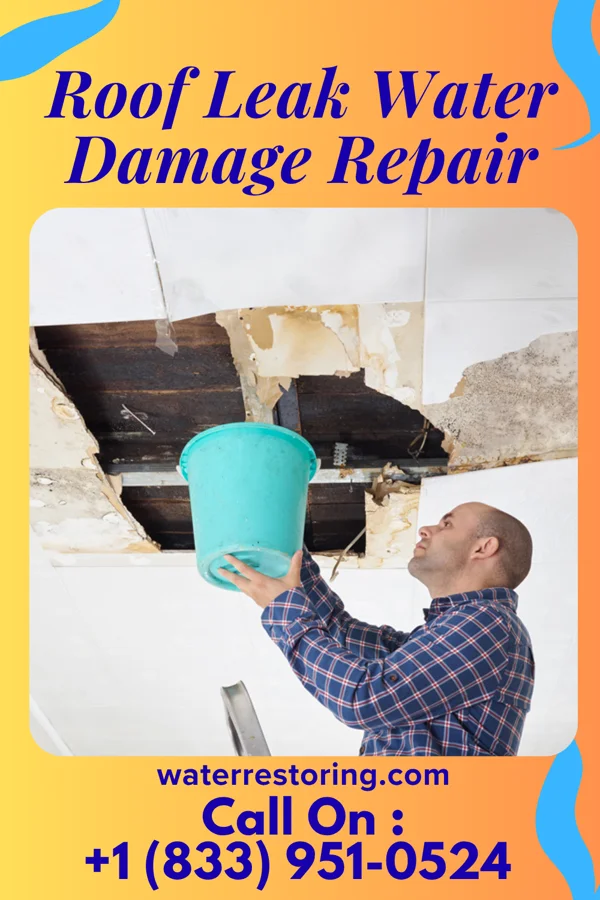
Active Roof Leak Containment in Millerville
Most water damage emergencies in Millerville start with Millerville experiences harsh winter conditions with heavy snowfall and frequent thaw cycles, which can cause ice dams and roof damage. Spring brings sudden thaws that lead to saturated ground and increased runoff, putting pressure on roofing systems. Summer thunderstorms with strong winds and heavy rain can compromise shingle integrity and lead to leaks.. A close second is Autumn in Millerville is marked by strong winds and heavy rainfall, which can dislodge shingles and cause water infiltration. The region's cold climate also leads to condensation issues in attics, contributing to long-term roof damage. Sudden temperature changes can cause roofing materials to expand and contract, leading to cracks and leaks.. From the second water touches the property, every minute changes what gets saved and what gets ripped out.
The combination of heavy snowmelt, frequent rain, and temperature fluctuations in Millerville leads to common issues like ice dams, shingle lift, and water infiltration. These conditions can cause long-term structural damage if not addressed promptly, making regular roof inspections essential.
The combination of heavy snowmelt, frequent rain, and temperature fluctuations in Millerville leads to common issues like ice dams, shingle lift, and water infiltration. These conditions can cause long-term structural damage if not addressed promptly, making regular roof inspections essential. The dominant local driver is Millerville experiences harsh winter conditions with heavy snowfall and frequent thaw cycles, which can cause ice dams and roof damage. Spring brings sudden thaws that lead to saturated ground and increased runoff, putting pressure on roofing systems. Summer thunderstorms with strong winds and heavy rain can compromise shingle integrity and lead to leaks., with Autumn in Millerville is marked by strong winds and heavy rainfall, which can dislodge shingles and cause water infiltration. The region's cold climate also leads to condensation issues in attics, contributing to long-term roof damage. Sudden temperature changes can cause roofing materials to expand and contract, leading to cracks and leaks. showing up as the next most common cause. Damage builds in stages. Spread. Absorption. Microbial growth. Structural compromise. Every stage you pass through adds to the final bill.